
Common House Cleaning Misconceptions: What You Need to Know


Introduction
Cleaning your home may seem straightforward, but there are numerous misconceptions that can lead to ineffective or even harmful practices. Understanding the truth behind common house cleaning myths can enhance your cleaning routine and ensure a healthier living environment.

Myth: More Detergent Equals Cleaner Surfaces
It's a common belief that using more detergent or cleaning products will result in a cleaner home. However, this is a misconception. Overusing cleaning agents can lead to residue buildup, which attracts more dirt and can damage surfaces. Always follow the recommended amounts specified on product labels.
Proper Usage Tips
To avoid this pitfall, measure your cleaning products carefully and consider using concentrated formulas that require less product per use. This not only saves money but also prevents unnecessary exposure to chemicals.
Myth: Bleach Cleans Everything
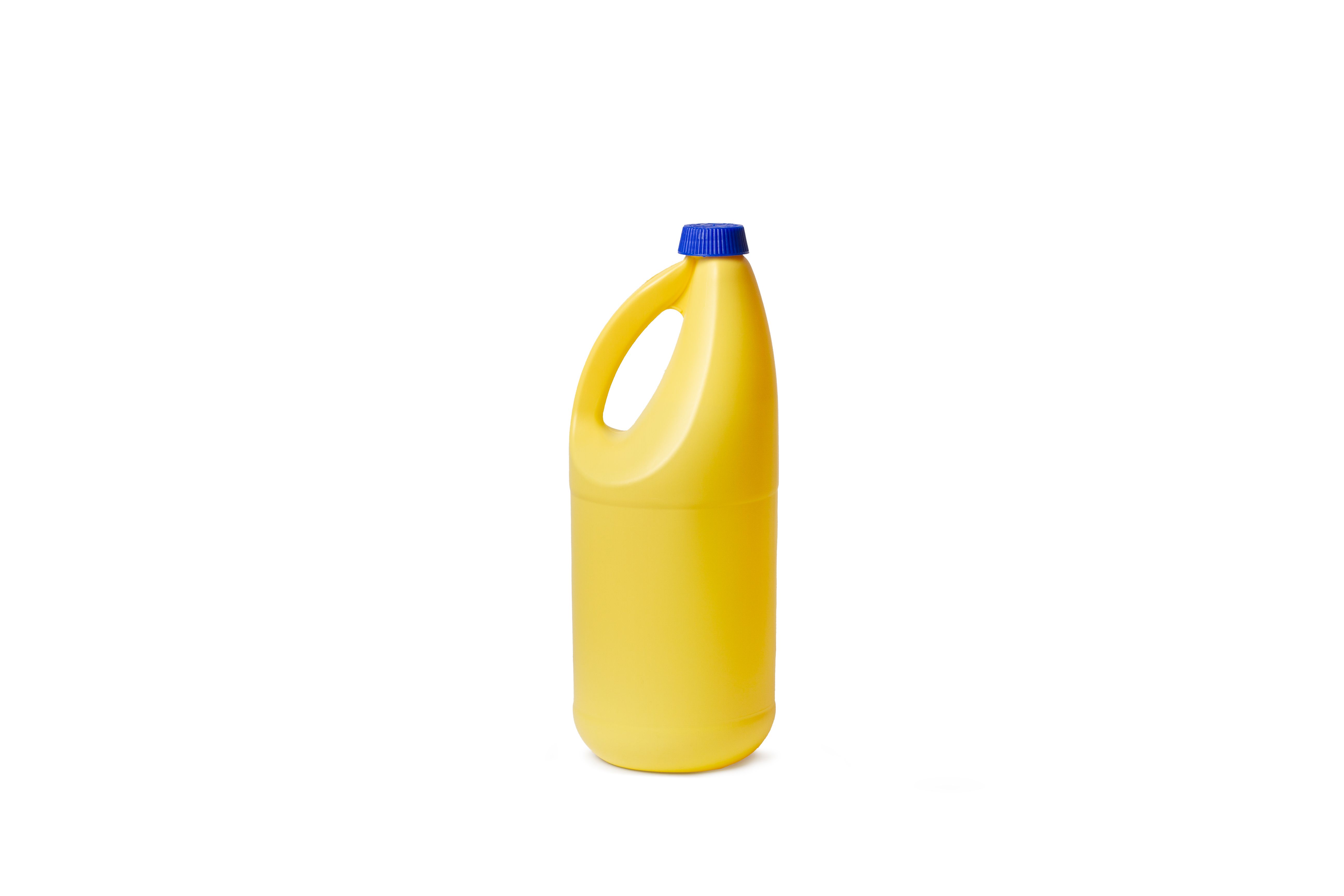
Bleach is often seen as a universal cleaner, but it is primarily a disinfectant. While it kills bacteria and viruses, it doesn't remove dirt or grime. Additionally, using bleach on certain surfaces can cause damage or discoloration.
When to Use Bleach
Reserve bleach for disinfecting surfaces like bathroom tiles or kitchen countertops, and always follow it with a proper cleaning agent if dirt is present. Remember to ventilate the area well when using bleach.
Myth: Feather Dusters Are Effective Dusting Tools
Feather dusters may look elegant, but they often just spread dust around rather than capturing it. Microfiber cloths are a more effective alternative, as they trap dust particles and are easy to clean.
Effective Dusting Techniques
Use a damp microfiber cloth to wipe surfaces, and don't forget to clean or replace the cloth regularly to maintain its effectiveness. This simple change can significantly reduce allergens in your home.

Myth: Vacuuming Once a Week Is Enough
Vacuuming once a week might suffice for some, but homes with pets or high foot traffic might require more frequent cleaning. Dust, dirt, and allergens can accumulate quickly, impacting indoor air quality.
Customized Vacuuming Schedule
Consider vacuuming high-traffic areas several times a week and using a vacuum with a HEPA filter to ensure better air quality. Adjusting your vacuuming frequency based on your household's needs can lead to a healthier home environment.
Conclusion
By debunking these common cleaning myths, you can develop a more effective and efficient cleaning routine. Remember, it's not about how much or how often you clean, but how smartly you do it. Implement these insights to maintain a cleaner, healthier home.